
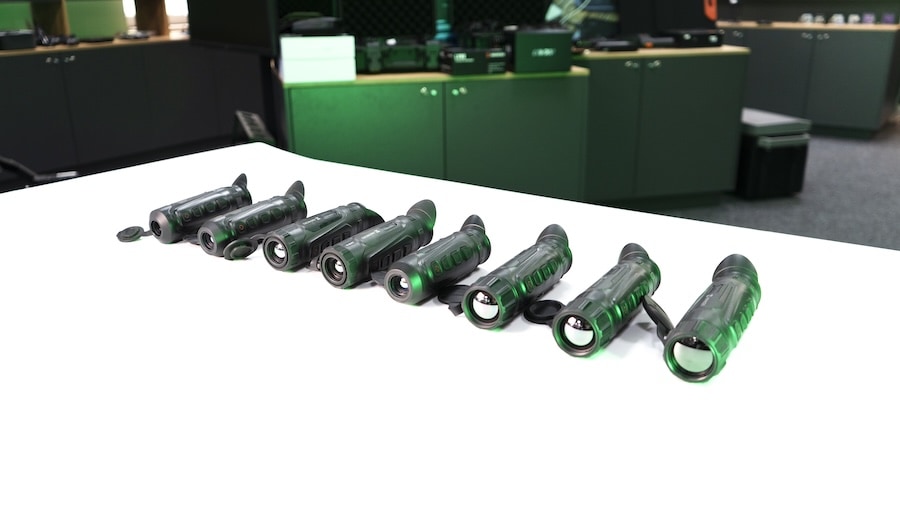
We won't pretend to be something we're not. We're not hunters, and hunting isn't our trade. But we're a team that likes to know exactly what it sells - so we took the HIKMICRO thermal imaging devices we have in stock, headed out after dark, and spent the evening comparing them. Every photo in this article is our own: same location, same scene, different devices, different color palettes. And since luck was on our side, the gallery also includes a couple of nighttime encounters with wildlife.
1. What we compared
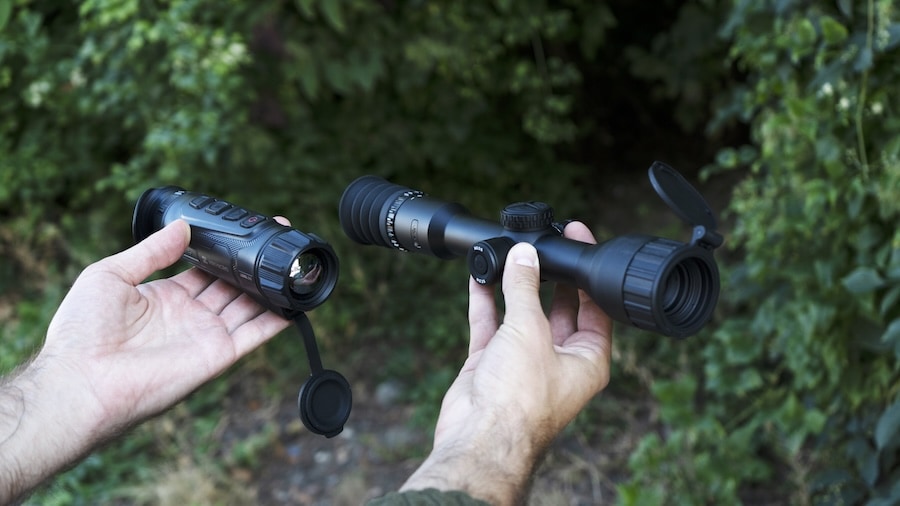
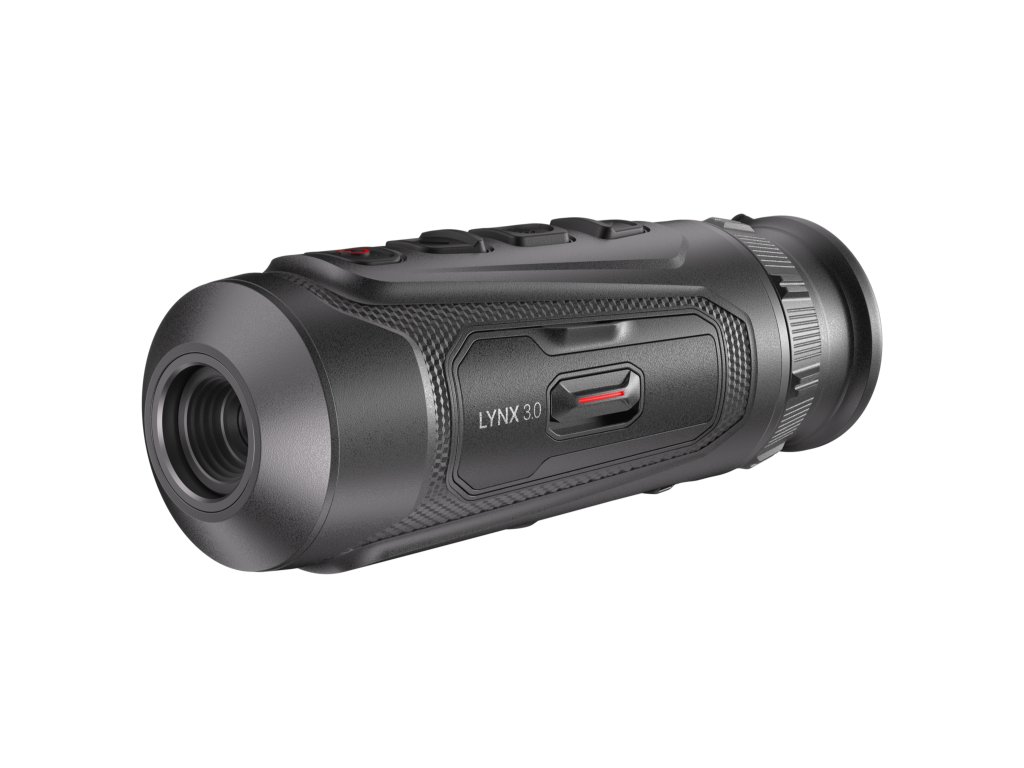
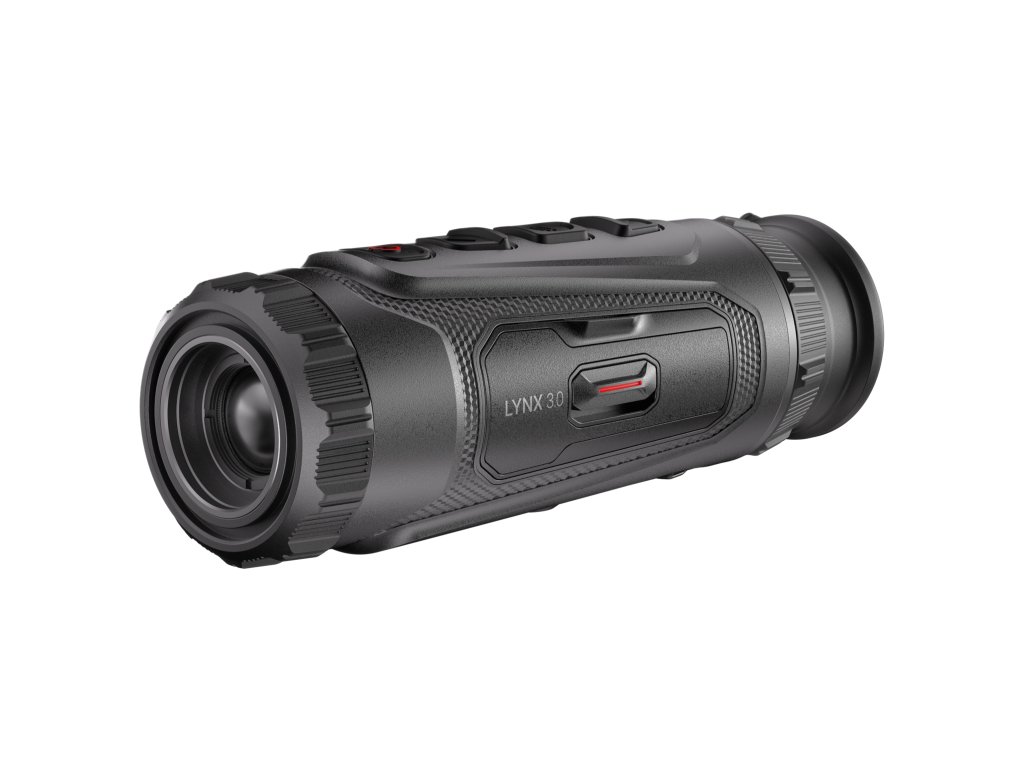
The comparison included six handheld Lynx 3.0 series monoculars - the LE10, LE15, LH15, LH19, LQ35 and LQ35L - plus two Neos thermal riflescopes, the NE25 and NH25L. It might sound like fine-tuning within a single series, but out in the field, the differences between the individual models are obvious at first glance.
| Model | Type | Sensor | Base magnification | Detection range | Note | Photo |
|---|---|---|---|---|---|---|
| Lynx LE10 3.0 | monocular | 256 × 192 px | 1.4× | 500 m | entry-level, fixed focus | 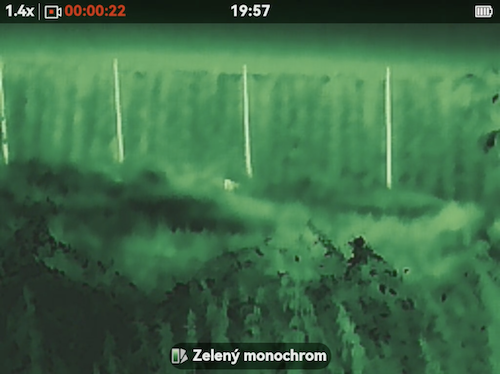 |
| Lynx LE15 3.0 | monocular | 256 × 192 px | 2.2× | 750 m | entry-level, fixed focus | 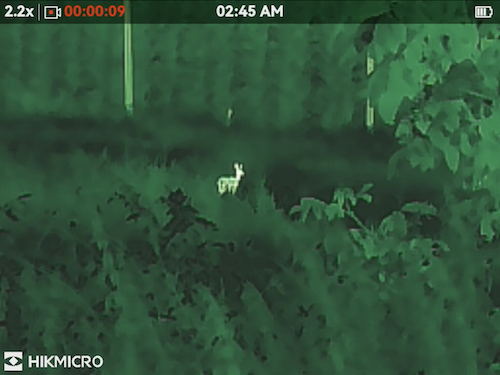 |
| Lynx LH15 3.0 | monocular | 320 × 240 px | 2.2× | 750 m | mid-range, fixed focus | 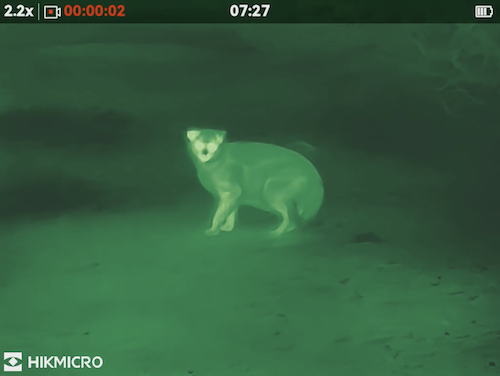 |
| Lynx LH19 3.0 | monocular | 384 × 288 px | 1.9× | 900 m | mid-range, manual focus | 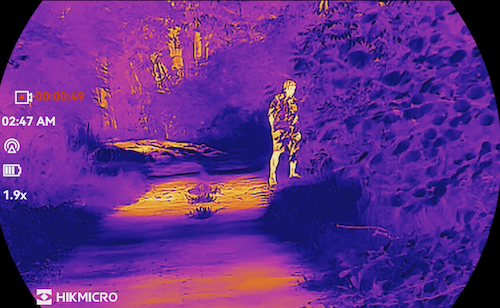 |
| Lynx LQ35 3.0 | monocular | 640 × 512 px | 1.9× | 1 800 m | high-end, manual focus | 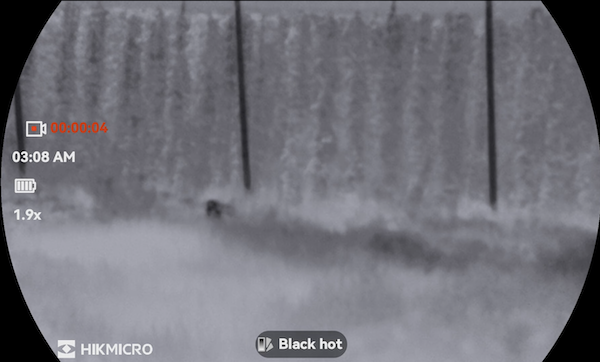 |
| Lynx LQ35L 3.0 | monocular | 640 × 512 px | 1.9× | 1 800 m | high-end, laser rangefinder | 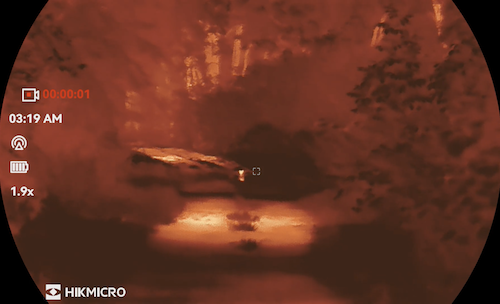 |
| Neos NE25 | riflescope | 256 × 192 px | 3.5× | 1 200 m | entry-level riflescope | 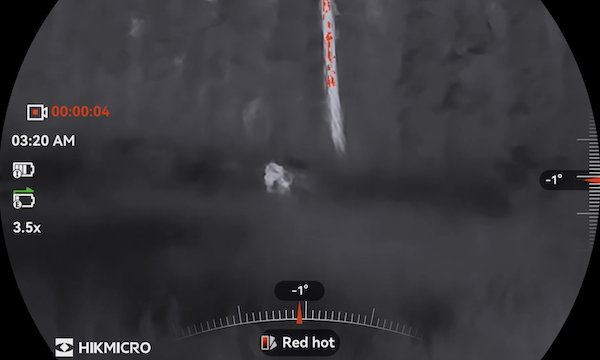 |
| Neos NH25L | riflescope | 320 × 240 px | 3.5× | 1 200 m | rangefinder + ballistic calculation | 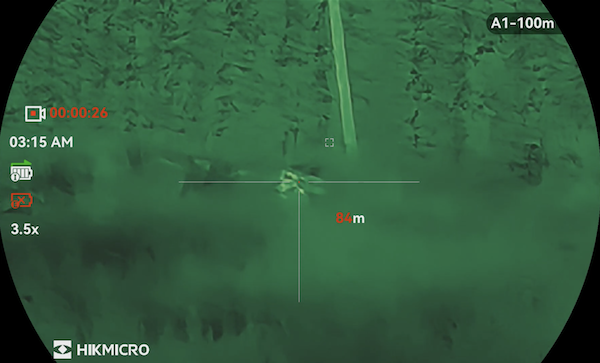 |
Tip: how to read Lynx model names
The letter after the L indicates the sensor class (LE < LH < LQ - the further along the alphabet, the better the image), the number is the lens's focal length (a small number means a wide field of view for the forest, a large number means reach across open fields), and an L at the end means a built-in laser rangefinder.
2. Monocular or riflescope? Ideally, both
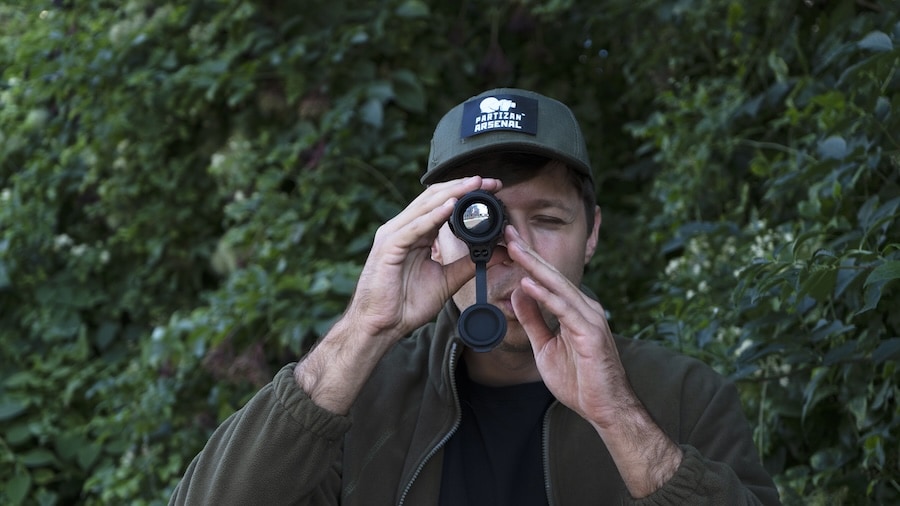
The biggest takeaway from the whole evening wasn't about megapixels - it was about ergonomics. A handheld observation monocular is a completely natural tool for scanning the landscape: you raise it to your eye like binoculars and "sweep" the whole horizon in a few seconds. A riflescope is a different discipline altogether - scanning an area with one is slow and awkward, because it's built for something else: precise observation of one specific spot.
In an ideal world, then, it makes sense to combine both. A cheaper monocular for quickly scanning your surroundings, and once you know where to look, a thermal riflescope with serious zoom takes over. That's exactly how it works in practice on a stand-hunt - and after our evening in the field, we understand why.
3. Image quality: the more expensive, the better - and you can see it
It's sometimes said that thermal imaging spec sheets are just marketing. Our comparison proved the opposite: the difference between an entry-level 256 × 192 px sensor and a top-end 640 × 512 px one is obvious immediately. The entry-level LE10 shows you that "something warm is there," while the LQ35 renders a silhouette clear enough that you instantly recognize what you're looking at. Here, it simply holds true that image quality rises with price - and our comparison photos let you see it for yourself.
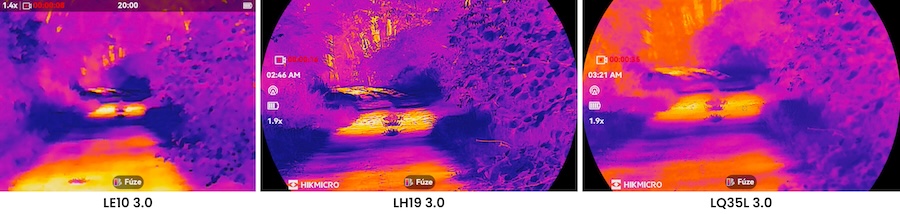
What genuinely surprised us: every monocular has a different base optical magnification. That's not a flaw but a consequence of the different lenses - the LE10, with its short lens, starts at 1.4× and offers a wide field of view for the forest, while models with a longer lens start higher and reach further across open fields. It therefore pays to think about where you'll use the device, because unlike digital zoom, each model's base magnification is fixed and can't be changed.
And digital zoom? With thermal imaging, it's more of a tool for picking out detail than a genuine way to get closer. As you'd expect, image quality drops when you use it, and that holds true across every model. The better the sensor, the longer a zoomed-in image stays usable.
Higher-end models (LH19 and up) can also manually focus at different distances. It sounds like a small thing, but in practice it's a great feature - you can fine-tune focus exactly where you need it, something the fixed lenses on entry-level models simply can't do.
4. Rangefinder: a real treat on the top models

Two devices in our lineup come with a laser rangefinder: the Lynx LQ35L 3.0 monocular and the Neos NH25L riflescope. We genuinely came to love the distance measurement on the top model - it's fast, precise, and intuitive: you aim, press the button, and the display shows the target's distance up to 1,000 meters, accurate to the meter. On the NH25L riflescope, the measured distance also feeds directly into the ballistic calculation, so there's no more guessing at the correction.
5. Handling recordings: faster than we expected
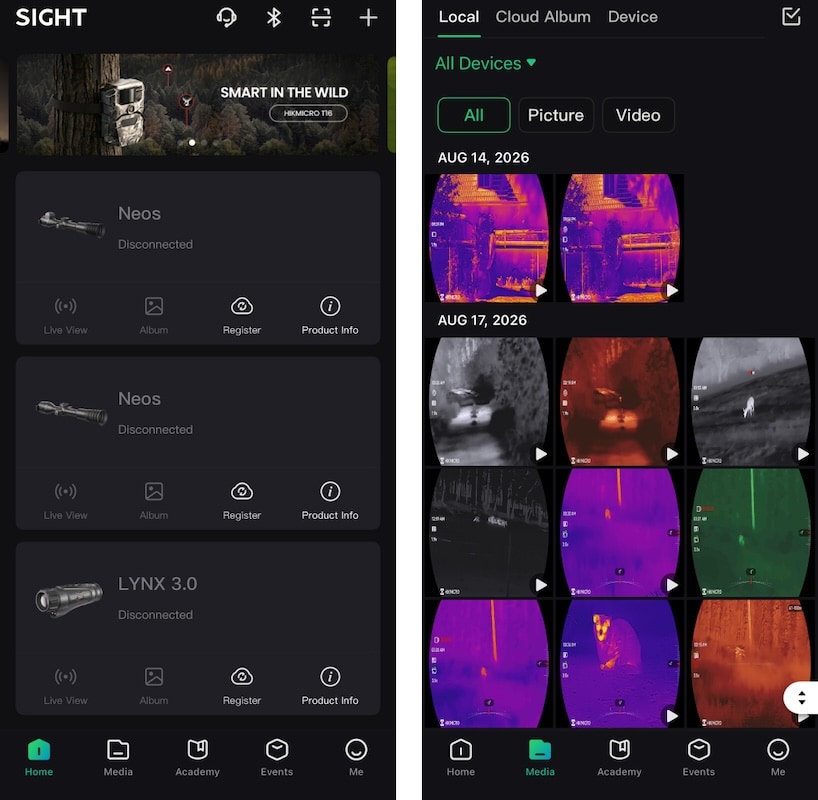
Every device can take photos and record video, so the comparison material for this article was created directly on them. Transferring the data is simple and can be done two ways. Either you turn the device on and connect it to a computer via USB-C cable, where it shows up as a regular storage drive, or you connect to it from your phone over Wi-Fi using the HIKMICRO Sight app - you can see what's stored on it and download straight to your phone. Both methods worked flawlessly on the first try, and they're genuinely fast.
6. What we didn't test ourselves (and what the manufacturer states)
To be fair: within the scope of a single evening, we didn't thoroughly verify the following points, so here we're relying on official figures from the manufacturer and retailers. The Lynx 3.0 monoculars power on within two seconds, have an IP67 rating, built-in storage, Wi-Fi, and a runtime of roughly five to six hours per replaceable battery, depending on the model.
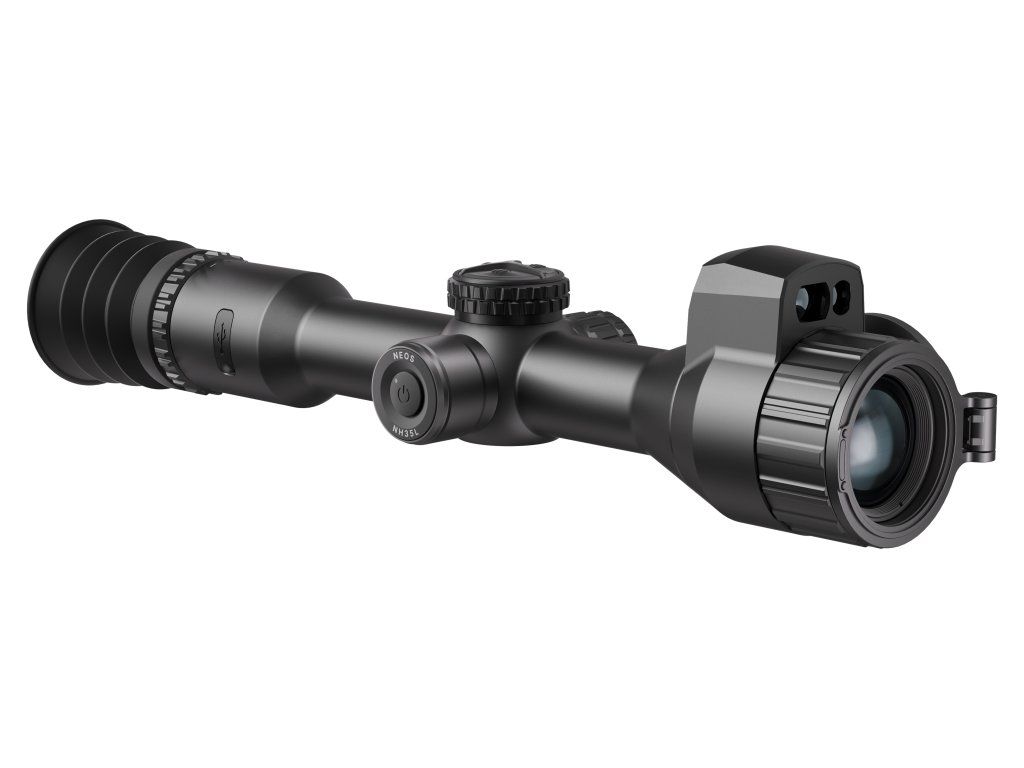
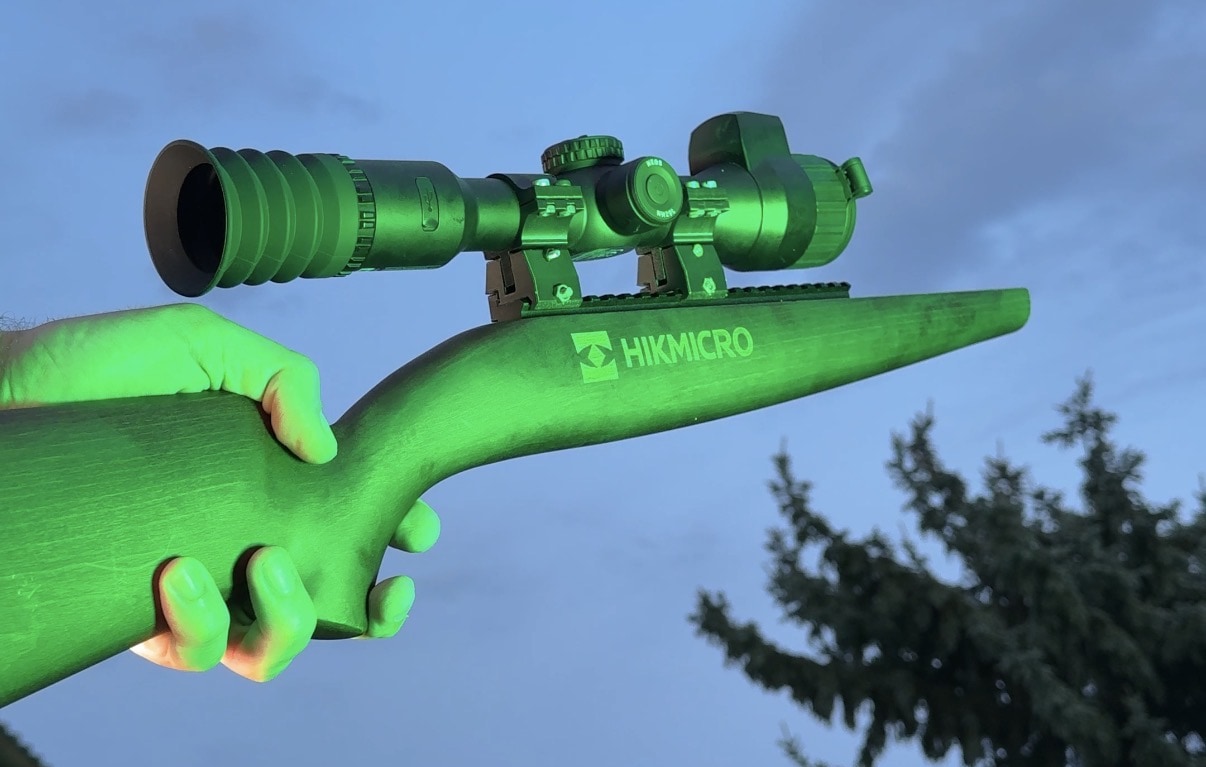
The Neos riflescopes are built to withstand recoil of up to 6,000 J, combine a built-in and a replaceable battery for a runtime of around ten hours, and can automatically start recording when a shot is fired. The NH25L model adds ballistic calculation and several zeroing profiles on top of that, so a single scope can serve you across multiple firearms.
In our range, the Neos line is represented by its sister model, the Neos NH35L - the same concept, including the rangefinder and ballistics, just with a longer 35mm lens that reaches out to 1,800 meters.
7. Who we'd recommend what to
- Want to try it without breaking the bank: the Lynx LE10 3.0 or LE15 3.0 - a solid entry point into thermal imaging for shorter distances and forest use.
- An all-rounder for observation: the Lynx LH19 3.0 - a sensitive sensor, manual focus, and a sensible compromise between field of view and range.
- The best image with no compromises: the Lynx LQ35 3.0, or the LQ35L 3.0 with a laser rangefinder.
- Thermal imaging for your rifle: the Neos NE25 as an affordable starting point, or the Neos NH25L with rangefinder and ballistics for those who want more (we also stock its sister model, the Neos NH35L). And ideally, pair it with a cheaper monocular for scanning.
In conclusion
Thermal imaging has stopped being a toy for the privileged few, and the HIKMICRO range shows that nicely, step by step: from pocket-sized models that reveal the life in the landscape even to a complete beginner, to devices that let you identify the species of an animal from hundreds of meters away. We had every device in this article physically in our hands, and the gallery photos were taken during a single evening out in the field - exactly how you'd use them yourself.
You'll find our full range in the Handheld Thermal Vision and Thermal Scopes categories. Everything in stock, no unnecessary waiting.
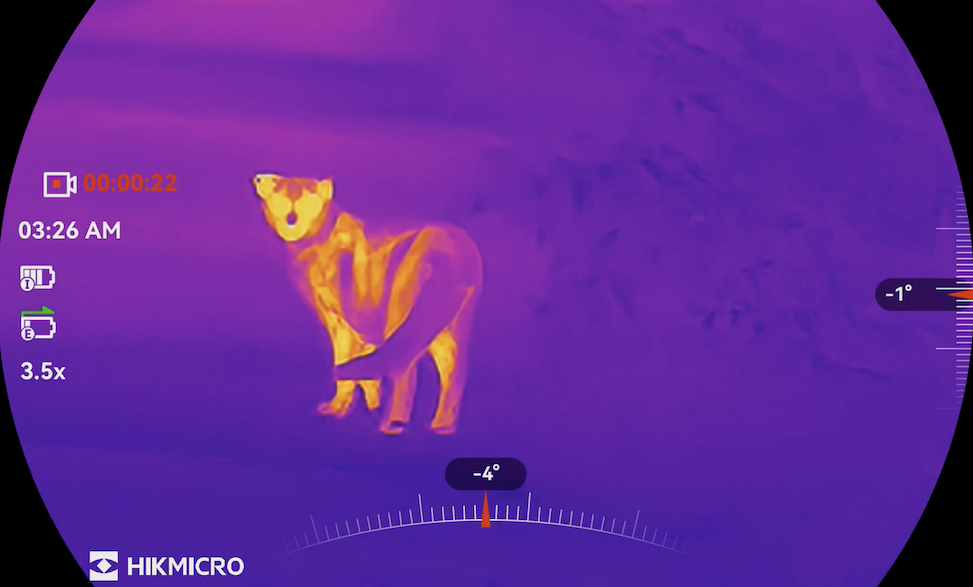 Hikmicro Neos NE25