A campsite with a marked-out pitch, an electrical hookup, and neighbours two metres away has its own charm. But real contact with nature only begins the moment there are no cabins, no showers, and no noise around you. Just you, a tent, and a landscape that doesn't care what you want. Camping outside official campsites - so-called wild or free camping - has seen a sharp rise in popularity in recent years, and yet it's a discipline where not knowing the rules doesn't just cost money, it can ruin the whole trip. This guide will show you where in the Czech Republic and across Europe you can legally, or at least safely, sleep out under the open sky, what to watch out for, and how to approach the whole thing with common sense.
.jpg)
Photo: bhossfeld | Source: Pixabay.com
Wild camping and the law: what Czech legislation says
Before you pack your backpack, you need to know where you stand legally. And in the Czech Republic that answer isn't simple. The Czech Forest Act (No. 289/1995 Coll.) prohibits camping in a forest without the owner's consent. The Nature Conservation Act then adds further restrictions in national parks and nature reserves. On paper, then, wild camping in the Czech Republic barely exists as a legal activity.
In practice, though, it looks different. Neither the Czech police nor the forest administration sit behind every tree, and a tent on a remote forest clearing, where you spend one night and leave the ground clean behind you, is practically never an issue for anyone. Three principles are key, and they function as an unwritten code of decency across the world of camping outside campsites: arrive late, leave early, leave no trace.
What you specifically risk in the Czech Republic
If the forest administration or police catch you camping without permission in a forest, they can fine you. In practice this most often means a warning and a request to move on, but formal misdemeanour proceedings can result in a fine of several thousand crowns. A more serious situation arises in national parks and nature reserves, where penalties are stricter and checks more frequent. The Šumava National Park, the core zones of the Krkonoše National Park, and the Pálava Protected Landscape Area simply aren't suitable for wild camping - and not just legally, but ethically too, out of respect for nature that needs peace and quiet there.
On private land outside forests, the situation is different. If you approach the owner - a farmer, a forest manager, or a municipality - and ask for permission, in the vast majority of cases you'll get it. This is actually the most reliable way to avoid problems while also helping build mutual trust between people and nature.
The Czech Republic: where exactly to camp
Despite all the legislative restrictions, the Czech Republic offers dozens of places where wild camping, approached sensibly, works well. The key is to avoid touristically overloaded areas, national parks, and protected areas, and instead look for remote parts of protected landscape areas or state forestry land in far-off countryside.
Šumava: big forests, but with common sense
Šumava is the largest forested area in the Czech Republic, offering dozens of kilometres of abandoned forest roads, spruce ridges, and quiet streams. It's important to distinguish where exactly you're moving. Šumava National Park has three zones - in the first (strictest) zone, movement off marked trails is forbidden and camping is completely out of the question. In the second and third zones, and especially in the surrounding Šumava Protected Landscape Area, the situation is more tolerant.
.jpg)
Photo: Simy27 | Source: Pixabay.com
The areas around Pošumaví - Prachaticko, Vimpersko, or the surroundings of Železná Ruda - work best. The remote lakes such as Plešné or Laka are exceptional, where you can find quiet spots far from the tourist circuits. Keep in mind that nighttime temperatures at Šumava elevations (800-1,300 m) drop below 10 °C even in July. Without a sleeping bag rated to at least 5 °C comfort and a good sleeping mat, the night won't be pleasant here.


Beskydy: ridgelines without overcrowding
The Moravian-Silesian Beskydy are one of the most underrated areas for free camping in the Czech Republic. The ridges of Radhošť, Lysá hora, and the area around Velké Karlovice offer dense forest, minimal tourist traffic outside the summer peak, and a sensible elevation of around 600-1,000 m. The Beskydy Protected Landscape Area takes a more lenient approach to camping than national parks, but the basic rules still apply: not in first zones, not near water sources, no more than one night.
The Beskydy are also unusual in offering a network of pasture ridges - open meadows on the ridgelines with small huts and pastures. Landowners here tend to be accommodating if you ask. A night on a Beskydy ridge with a view of Slovakia and Poland in clear weather is one of those experiences that keeps drawing people back to wild camping again and again.
.jpg)
Photo: Etivari | Source: Pixabay.com
Jeseníky: peace and altitude
The Hrubý Jeseník range, with Praděd (1,492 m), is the second-highest mountain range in the Czech Republic and at the same time one of the least visited by tourists. Outside the summer season, you're more likely to meet a deer than a person in the forest here. The Jeseníky Protected Landscape Area covers a large part of the region, but the free forested slopes outside the core areas offer decent conditions for a one-night bivouac.
.jpg)
Photo: ivabalk | Source: Pixabay.com
The Jeseníky have distinctive weather - due to their position at the meeting point of Atlantic and continental climates, fog forms quickly here and rain moves in fast. A flysheet with a hydrostatic head of at least 3,000 mm is an absolute necessity, ideally 4,000-5,000 mm for weekend trips in September and October, when the area reaches its most beautiful autumn colours and, at the same time, its most unpredictable weather. For longer autumn expeditions, a heated sleeping pad is useful, actively warming from below to compensate for cold ground under the tent.


The Bohemian-Moravian Highlands and Vysočina
An area often overlooked when planning trips, but ideal for wild camping. Vysočina has no national park, and much of its forest is state forestry land managed by Lesy ČR. Tourist density is low, the terrain gentle, the streams clean. The area around Žďárské vrchy, Dalečínsko, or the headwaters of the Jihlava and Sázava rivers form a calm, little-visited landscape where a one-night stay away from settlements is practically never a problem for anyone.
For families or beginner wild campers, Vysočina is the safest choice in the Czech Republic. The terrain isn't demanding, the rescue network is accessible, and if something goes wrong, you're never more than an hour's walk from civilisation.
Krkonoše: watch out for strict rules
The Krkonoše Mountains are the most visited mountain area in the Czech Republic and at the same time one of the most strictly protected. The Krkonoše National Park has detailed movement rules, including a ban on entering the first zones and a strict ban on camping outside designated sites. Hundreds of thousands of people head here during the tourist season, the forest administration is active, and checks happen regularly. We therefore generally don't recommend the Krkonoše for wild camping - with the exception of less-visited edges and crossings into the Polish Sudetes.
.jpg)
Photo: marcinjozwiak | Source: Pixabay.com
Abroad: where to camp completely free and legally
If the restrictions in the Czech Republic frustrate you and you want to experience wild camping without worrying about fines, Europe offers destinations where this is a way of life - not an offence. For trips abroad, a hiking backpack with a capacity of 40-70 litres and a functional hip belt is a good choice - only that transfers the load from your shoulders to your hips and lets you cover real distances with everything you need.


Scandinavia: allemansrätten as the law of nature
Norway, Sweden, and Finland share the principle of allemansrätten - everyone's right to move freely in nature and camp overnight wherever conditions allow. In Norway this is enshrined in a law from 1957; in Sweden and Finland it's a centuries-old tradition codified into modern legislation. In practice, this means: pitch your tent anywhere in open nature, stay at least 150 metres from the nearest dwelling, remain no more than two nights in one spot, and leave the place as you found it.
.jpg)
Photo: Peaktural_photo | Source: Pixabay.com
Norway probably offers the most breathtaking backdrop in all of Europe in this respect. The Jotunheimen area, with Scandinavia's two highest mountains, the fjord landscape of the Lofoten Islands, or the views from Trolltunga - these are places where you can pitch a tent literally anywhere and no one will say a word. Finland adds jokamiehenoikeus - everyone's right to pick mushrooms and berries even on private land, and to fish freely without a permit.
Scotland: wild landscape with the law on your side
Scotland passed the Land Reform (Scotland) Act in 2003, which gives everyone the right to move and camp overnight on practically any land in the country - including private land. Across the rest of the Scottish countryside - which makes up the vast majority of the country - you're legally completely free.
The Scottish Highlands offer one of the most dramatic landscapes in Europe. The Torridon area, the Ben Nevis range, or the remote Outer Hebrides with their white beaches are accessible practically year-round. One warning has to be made clear though: Scottish midges, tiny biting flies, are capable in June and July of turning an otherwise idyllic stay into a nightmare. Without good repellent and a head net, it simply doesn't work in the wetter areas.
Switzerland and the Alps: a legal exception above the treeline
Switzerland is generally a country of strict rules, but when it comes to camping, one elegant exception applies: bivouacking is freely permitted on alpine meadows and rocky plateaus above the treeline (typically from 1,800-2,000 m). You don't pay, you don't need a permit, you just respect the basic principles - no fire, no waste.
The Bernese Oberland, Engadin, or the area around the Matterhorn offer viewpoints where you can pitch a tent on a rock face with a view of the entire Alps. The season is necessarily limited to July through September, and nighttime temperatures even in August at 2,500 m drop close to freezing. A sleeping bag with a comfort rating down to at least 0 °C is a necessity here, not a luxury.
Georgia and the Caucasus: wild nature within reach
For those seeking genuine wilderness without crowds of tourists and with minimal costs, Georgia is one of the best destinations today. The Svaneti region, with its tower villages and glaciers, or Tusheti, with its remote pastures accessible only via mountain passes from June to October, offer camping in landscape that has still retained its original character. The legislation is very tolerant, the locals hospitable, and expedition costs significantly lower than in Western Europe.
.jpg)
Photo: JLB1988 | Source: Pixabay.com
How to choose the right spot: what experienced campers know that beginners don't
Knowing the destination is only the first step. Camping outside a campsite stands or falls on choosing the specific spot to sleep and on the ability to read the terrain and the weather. A few principles that can save you unpleasant nights.
Terrain and safety
Never camp in dry streambeds - flash floods in the mountains can arrive even when the stars are shining above you, and the bed can fill with water within minutes. Likewise avoid the base of rock faces, where falling rocks are a risk, and enclosed basins, where cold air pools. Temperature inversion is a very common phenomenon in the Czech Republic: while it might be 12 °C on the ridge, you could measure 4 °C with heavy dew in the morning down in an enclosed valley.
The ideal tent spot is slightly elevated, sheltered from the prevailing wind by a natural barrier (a rock or a group of trees), drains water when it rains, and is sufficiently hidden from trails and roads. That last point isn't just about comfort, it also reduces the risk of conflict with the landowner.
Water and hygiene in the field
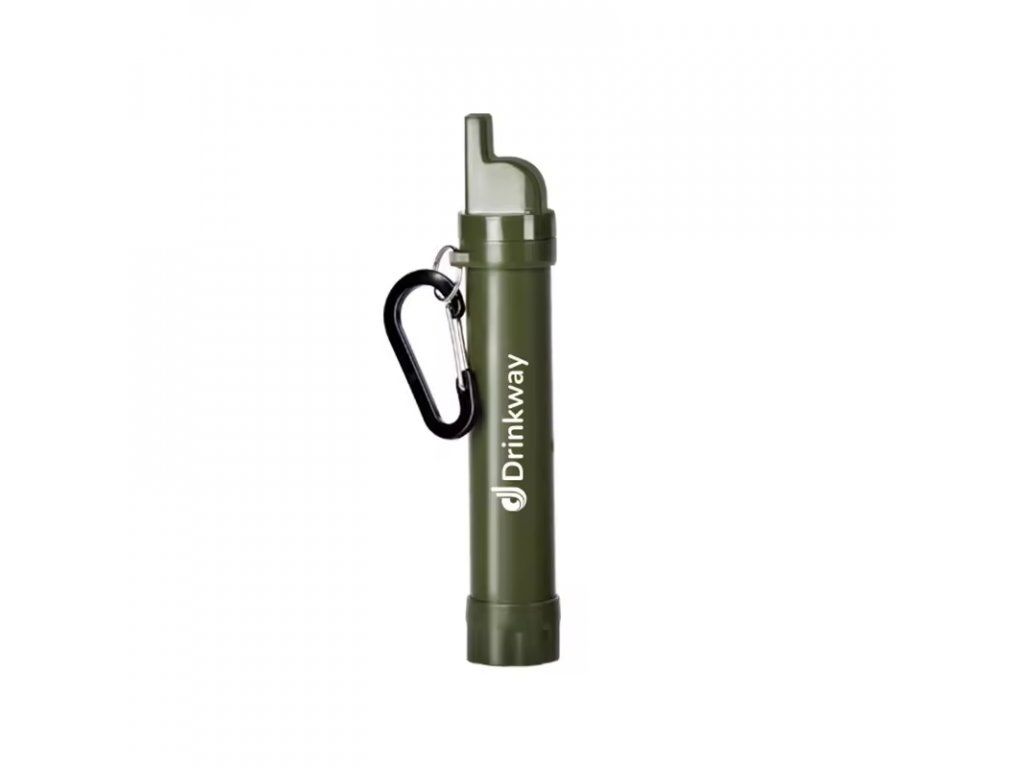
The Czech Republic has a dense network of streams and rivers, but even seemingly clean mountain water can contain parasites - giardia in particular - which cause serious digestive problems with a latency of 1-2 weeks. Never draw water from streams passing through pastures where cattle graze. A compact water filter weighs under 100 grams and can filter hundreds of litres of water - a far more sensible investment than a week of antiparasitic medication after you get home. Chlorine dioxide tablets work as a backup and fit in any pocket.


Field hygiene includes the rule of staying 60-90 metres from the nearest water source for washing and for a toilet. Use only biodegradable soap. Pack out all rubbish - all of it.
Navigation without a signal
Mobile signal is unreliable in remote areas. Learn to work with offline maps - the Mapy.cz or Gaia GPS apps let you download topographic maps of entire areas to your phone in advance. But even a fully charged phone isn't foolproof: a compass can't run out of battery, can't break, and works in any weather. A scout compass combined with a paper map is a backup that can save you hours of wandering in remote terrain.


Always, without exception, leave word with someone at home or with a friend about where you're going, which route, and when you plan to be back.
Night orientation and light
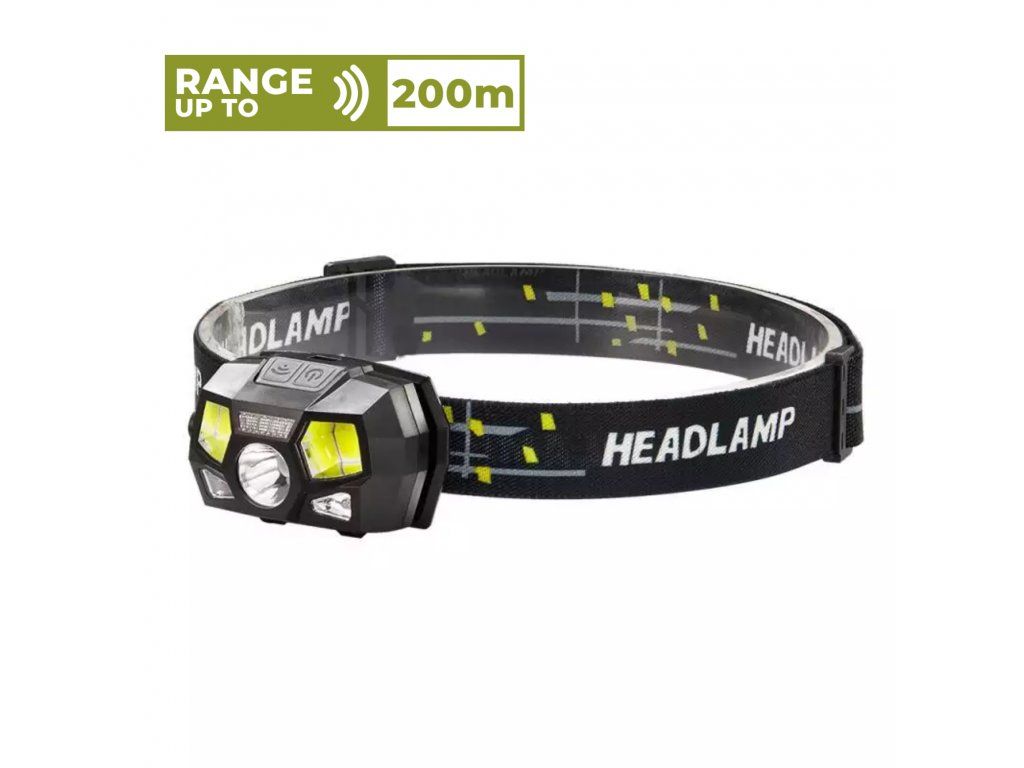
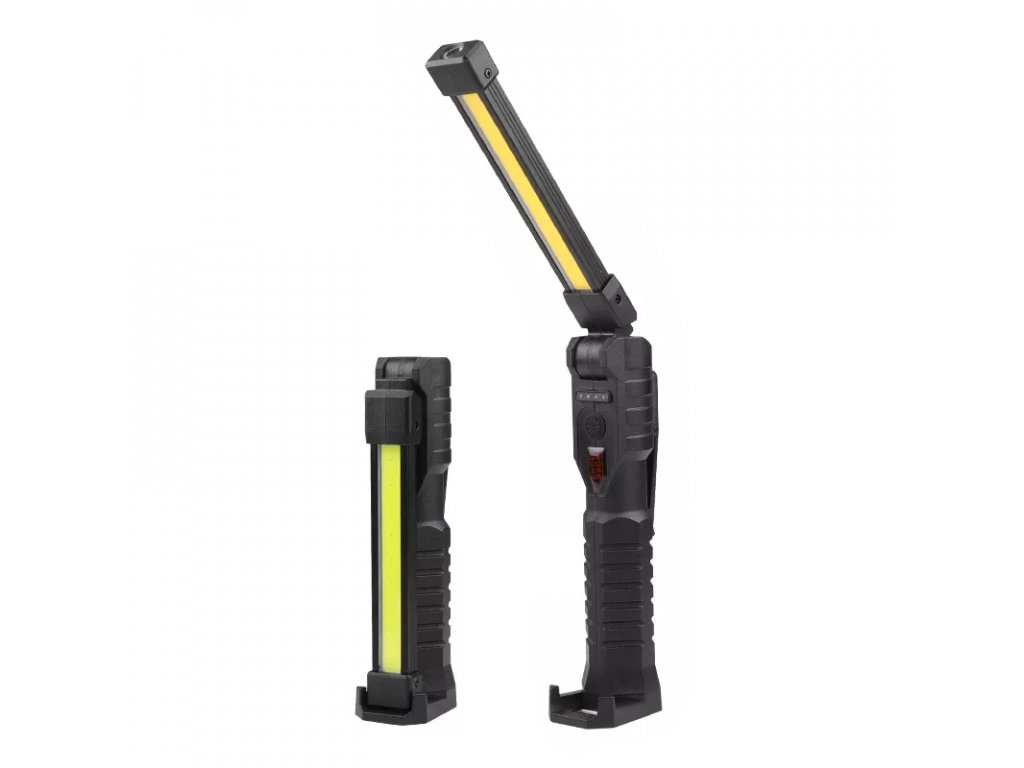
Night falls fast in the wild without campsite lighting, and darkness in a forest is real, not the grey half-dark of a city. A head torch is essential gear that leaves your hands free for cooking, pitching a tent, and moving through dark terrain. Look for a model that combines an XPG LED for a long-range beam with a COB LED for even lighting of your work area. Models with four light colours also let you switch to red light, which preserves your night vision when moving around camp.

The rules that decide whether wild camping survives
In countries like the Czech Republic, wild camping is inherently an unstable kind of freedom. It exists because most campers don't use it in ways that cause problems. The moment that changes - the moment fire pits, litter, noise, and damaged trees start piling up - landowners and protected-area administrations start closing off spaces, installing barriers, and lobbying for stricter legislation.
Fire deserves a special mention. The romantic idea of a bivouac fire under the stars is tempting, but in Czech conditions it's illegal outside designated fire pits, and genuinely dangerous in dry years. The alternative is a gas camping stove, which prepares a hot meal without fire risk, without smell, and without leaving traces in the landscape.
Summary: how to start wild camping the right way
Wild camping outside a campsite isn't for everyone, and it doesn't have to be. But for those looking for deeper contact with nature, real silence, and the freedom you won't find on a campsite pitch, it's an experience you'll keep coming back to.
In the Czech Republic, follow the three principles - arrive late, leave early, leave no trace - and choose remote areas outside national parks: the Beskydy, the Jeseníky, Vysočina, or the edges of Šumava. If you want to experience camping without legal risk, head to Scandinavia or Scotland, where free overnight stays in nature are your right by law.
Don't skimp on gear where it matters. The right sleeping bag and sleeping mat in the right temperature category, a tent with a sufficient hydrostatic head, a water filter, a reliable head torch, and a backpack with a functional hip belt - these are investments that pay off on your first wet night on a ridge. You'll find all your survival gear and camping gear in one place in the Partizan Arsenal range. And the rest is about where you stop and how many stars will be shining above you.